
What voltage range does a 3S BMS support?
A 3S BMS (Battery Management System) is an essential component for managing and protecting lithium-ion battery packs, particularly those with three cells in series. One of the critical factors to consider when selecting a 3s bms is the voltage range it supports. The voltage range determines the system’s compatibility with different battery packs, ensuring they operate efficiently and safely. Understanding the voltage range of a 3S BMS is crucial for businesses and individuals who are working with lithium-ion batteries in various applications.
Voltage Range of a 3S BMS
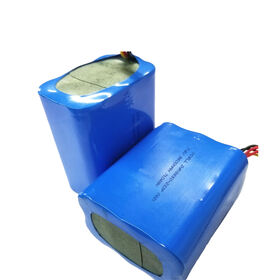
A 3S BMS is designed for battery packs made up of three cells connected in series, typically providing a nominal voltage of 11.1V. Each lithium-ion cell typically has a nominal voltage of 3.7V and a full charge voltage of 4.2V. Therefore, the total voltage for a 3S battery pack ranges from 9.0V (3.0V per cell) to 12.6V (4.2V per cell).
However, the 3S BMS has a more specific operational voltage range to ensure safety and prevent overcharging or deep discharging of the cells. Typically, the voltage range for a 3S BMS is between 9.0V and 12.6V, although some advanced models may support a slightly broader range to accommodate specific applications.
-
Lower Limit (Discharge Voltage): Most 3S BMS units are designed to cut off the discharge when the voltage of any cell drops to around 2.5V or 2.8V. The total pack voltage at this point would be around 7.5V to 8.4V. This voltage range is important because discharging the cells below this limit can cause irreversible damage to the battery, reducing its overall lifespan.
-
Upper Limit (Charge Voltage): On the other hand, the upper voltage limit for a 3S BMS typically corresponds to the fully charged voltage of 4.2V per cell, which results in a total pack voltage of 12.6V. Charging the battery pack above this voltage could lead to overheating, degradation of the cells, and even potential safety hazards like thermal runaway.
Importance of Voltage Range in BMS Functionality
The 3S BMS not only monitors the overall voltage of the battery pack but also keeps track of the voltage of each individual cell. This ensures that no cell is overcharged or undercharged, which could negatively affect the battery’s performance and lifespan. The BMS constantly checks the voltages and triggers protective measures if any cell reaches its critical voltage limits.
For instance, if any cell’s voltage exceeds 4.2V during charging, the 3S BMS will stop the charging process to prevent overcharging. Similarly, if any cell voltage falls below the set threshold during discharge, the BMS will disconnect the load to protect the cells from deep discharge damage.
Selecting a 3S BMS with the Right Voltage Range
When sourcing a 3S BMS for your battery pack, it’s essential to choose one that matches your specific voltage requirements. The voltage range supported by the 3S BMS should align with the nominal voltage and the maximum voltage of your battery cells. Different manufacturers may offer variations of the 3S BMS, so reviewing the product specifications and confirming the voltage support before purchasing is necessary.
If you plan to source 3S BMS in bulk for your manufacturing needs, platforms like Global Sources provide a comprehensive list of 3S BMS products. These are available at competitive prices, supplied by verified manufacturers from China, India, Korea, and other countries. Wholesale acquisition allows businesses to procure reliable stock, maintain consistent production processes, and negotiate favorable terms with suppliers.
Conclusion
Understanding the voltage range of a 3S BMS is essential for ensuring that your battery pack operates within safe and efficient limits. The 3S BMS typically supports a voltage range between 9.0V and 12.6V, with protective features to safeguard against overcharging and deep discharging. By carefully selecting a 3S BMS with the right voltage specifications, businesses can enhance the safety and longevity of their battery packs. Additionally, by sourcing 3S BMS units from trusted suppliers on platforms like Global Sources, businesses can optimize their procurement processes and ensure high-quality components for their battery systems.