
difference between a wholesaler and a distributor
Understanding what is a wholesaler and how they operate is essential to recognizing the key differences between wholesalers and distributors. Both serve important roles in the supply chain, but they differ in terms of their functions, relationships with manufacturers, and the way they interact with buyers. While both wholesalers and distributors work as intermediaries between manufacturers and end customers, their responsibilities and business models diverge significantly.
A wholesaler primarily purchases goods in bulk directly from manufacturers and resells them to retailers or businesses, often in smaller quantities. The core function of a wholesaler is to act as a middleman between manufacturers and retailers. By buying large volumes of products, wholesalers are able to negotiate lower prices with manufacturers, which allows them to offer competitive pricing to retailers. In this model, wholesalers usually do not take an active role in marketing or promoting products, as they focus primarily on distribution. A wholesaler’s relationship with manufacturers is typically transactional, with less emphasis on ongoing support or collaboration.
On the other hand, a distributor plays a more active role in managing the distribution of products. Distributors generally have exclusive agreements with manufacturers, meaning they are the sole or primary entity responsible for selling a particular brand or product in a specific geographic region or market. Unlike wholesalers, distributors often take on the role of promoting and marketing the products they distribute. They may work closely with manufacturers to create demand, build brand awareness, and help with product positioning in the market. This added responsibility means that distributors are often more involved in sales and customer service than wholesalers, offering additional value-added services to retailers and businesses.
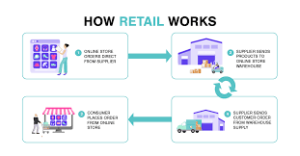
What is the difference between a wholesaler and a distributor?
Another important difference between what is a wholesaler and distributors is the type of products they handle. While wholesalers often carry a broad range of products from various manufacturers, distributors typically specialize in specific brands or product categories. For example, a distributor may exclusively handle a particular electronics brand or focus solely on a certain type of industrial equipment. This specialization allows distributors to have a deeper understanding of the products they distribute, providing them with expertise to better assist their customers. Wholesalers, in contrast, usually deal with a wider variety of goods from multiple manufacturers without focusing on any single brand or product line.
One of the key responsibilities of a wholesaler is inventory management. They maintain large quantities of stock in warehouses and sell products in bulk to retailers or businesses. Wholesalers typically operate on a just-in-time inventory system, where they replenish stock only when it’s needed to fulfill customer orders. Distributors, however, often carry inventory on behalf of the manufacturers they represent, holding more specialized stock in anticipation of demand from customers. This difference in inventory management means that distributors may need to invest more heavily in warehousing and logistics than wholesalers, who usually focus on efficiency and fast turnover.
Pricing strategies also differ between wholesalers and distributors. While both wholesalers and distributors negotiate pricing with manufacturers, distributors typically have more leeway when it comes to setting prices for their customers. Due to their added responsibilities in marketing and brand promotion, distributors may charge higher prices for the products they distribute, as they offer a broader range of services. Wholesalers, by contrast, tend to offer lower prices because they act more as a bulk supplier and do not engage in product promotion or brand building.
In conclusion, the main differences between a wholesaler and a distributor lie in the scope of their responsibilities, their relationships with manufacturers, and the services they offer to customers. While a wholesaler focuses on buying products in bulk from manufacturers and reselling them to retailers or businesses, a distributor takes on a broader role that includes marketing, brand promotion, and providing specialized expertise. Both wholesalers and distributors play vital roles in the supply chain, but understanding what is a wholesaler and how they differ from distributors can help businesses make more informed decisions about where to source products and how to establish effective supply chain strategies.