
Essential For Prototype PCB Assembly
Assembling printed circuit boards (PCBs) is an essential step in bringing innovative electrical products to market. PCB assembly processes are complex, but ensuring that the appropriate tools are used can help streamline prototyping and improve fabrication quality. Understanding the right printing techniques and hardware can also help reduce pcb manufacturing costs and speed up production time.
Effective use of etching technologies is critical to ensuring that your PCB prototypes are delivered according to design specifications. The etching process removes copper from the surface of the substrate, leaving behind the desired circuit patterns. The best etching technologies use environmentally friendly compounds to avoid hazardous waste and to ensure high quality. Using these safe and proven methods can reduce pcb manufacturing cost, while still delivering the high-quality results your customers expect.
A detailed bill of materials (BOM) is an important document that must be submitted to a CM when ordering prototype printed circuit board assembly. It includes component part numbers, descriptions, values, and quantities. It also identifies any special requirements that must be followed for the product to function properly. A well-formatted BOM can save you money and headaches by preventing mistakes that could delay your prototype production and increase your pcb manufacturing cost.
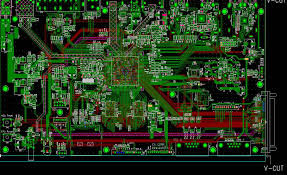
What Tools Are Essential For Prototype PCB Assembly?
The BOM is also used by the CM to develop test fixtures and procedures. It should include detailed instructions for connecting the test equipment and any specific instructions that must be followed to ensure that the board functions correctly. Including these instructions will make it easier for your engineers to test the functionality of your product and prevent any potential damage caused by incorrect hook-ups.
Ideally, you should have access to a DRC (design rule checker) tool that automatically checks your PCB layout for potential errors before sending it off to the fab house. This will significantly reduce the number of errors that may be found during the fab and assembly process, thus improving your overall pcb manufacturing costs. In addition, a good CM will have a follow-up service to address any issues that may be discovered during assembly, further reducing your pcb manufacturing costs and speeding up your prototyping time.
An additional useful tool to have is a step file generator. These tools convert the native CAD database directly into manufacturing machine instructions, bypassing any potential Gerber interpretation problems. This can significantly speed up prototyping and reduce your pcb manufacturing costs.
Other useful tools to have include stencils and solder masks. Stencils are stainless foils that can be used to apply solder paste, which is a gray-colored goo made from a mixture of tiny particles of tin and lead. Without it, your components won’t stick to the bare circuit board. Similarly, solder masks protect the components from oxidation and contamination during the etching and soldering process. Without them, you would see unappealing silver splotches on the finished product.
