
innovations are flexible PCB suppliers exploring
The electronic devices we depend on daily are powered by complex circuit boards, which connect all the parts of a product and transmit information to make it work. Whether it’s your smartphone or medical wearable, these tiny but powerful components are responsible for making sure everything works together smoothly and safely. With advances in PCB technology, you can shape your innovation in ways that were never before possible – including making it more compact and portable. That’s why flexible printed circuit boards are a game-changing technology for startups aiming to create innovative gadgets.
Besides flexibility, these circuits are durable and can withstand movement and vibration, which is important for a lot of consumer electronics. They also help you save space and reduce weight in your product while maintaining a high level of performance. This is why startups ranging from sports to healthcare and even aerospace choose them for their state-of-the-art products.
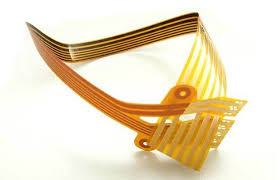
flexible pcb supplier are made with materials like polyimide, FR-4, and liquid crystal polymer (LCP). Each type of material has its own unique benefits that influence the final circuit board’s performance and durability. Polyimide, for example, is known for its thermal stability and chemical resistance. It is also an excellent choice for 3D assembly and packaging, allowing for greater component density in more compact devices.
What innovations are flexible PCB suppliers exploring?
As the demand for flexible PCBs continues to grow, many manufacturers are exploring new and improved processes in their production facilities to improve cost and quality. Some examples of innovations they’re working on include optimizing panel utilization, improving signal integrity, and reducing waste.
One way they can do this is by utilizing automated machines to reduce labor costs, which also helps them increase productivity and quality. Another is by implementing lean manufacturing techniques to minimize waste and optimize workflows. They’re also improving their inventory management and streamlining their supply chain to lower transportation and raw material costs.
Another way to improve production efficiency is by implementing advanced software that allows them to analyze the quality of each circuit board before it goes out for shipment. This process can identify potential defects and prevent them from reaching customers in poor condition. In addition to enhancing efficiency, these tools can help companies reduce the number of returns and replacements caused by defective circuit boards.
Lastly, flexible PCB suppliers are improving the reliability of their products by using better materials and reducing the number of connections. They’re also focusing on keeping heat at bay to keep circuits cool and functioning properly. This can save time and money in the long run by preventing costly repairs and replacements.
When choosing a flexible pcb supplier, it’s essential to understand your requirements and evaluate multiple options to find the right fit. You can start by defining your product requirements and evaluating pricing, lead times, and quality. You can then shortlist suppliers based on their expertise and certifications. In addition to their fabrication and assembly capabilities, you should consider what other services they offer, such as custom packaging.
